Why are
Cultural Tours in Rwanda Essential for Understanding Local Traditions?
home > Cultural Tours Articles > Why are Cultural Tours in Rwanda Essential for Understanding Local Traditions?
Why are
Cultural Tours in Rwanda Essential for Understanding Local Traditions?
Rwanda is one of Africa’s most fascinating cultural destinations, celebrated not only for its mountain gorillas and national parks but also for its rich traditions, deep-rooted heritage, and vibrant communities. Beyond the breathtaking landscapes and wildlife, Rwanda’s true beauty lies in its people— their resilience, creativity, hospitality, and cultural identity.
Cultural tours in Rwanda offer travelers an authentic opportunity to experience the country’s traditions firsthand. For visitors seeking to understand Rwanda beyond the safari routes, these tours are essential. They bring travelers closer to Rwanda’s history, social values, daily life, ancient customs, artistic expressions, and the story of a nation that has rebuilt itself through unity, culture, and shared purpose.
This comprehensive guide explores why cultural tours in Rwanda are essential for understanding local traditions, the history behind Rwanda’s cultural richness, and the unique experiences that make cultural tourism one of the most meaningful activities for visitors.
A Historical Overview of Rwanda’s Cultural Heritage
Rwanda’s culture is one of the oldest and most well-preserved in East Africa. For centuries, Rwandans lived under a kingdom led by a Mwami (king), whose leadership unified clans and local communities through shared customs, traditions, and beliefs.
Below are key elements of Rwanda’s cultural history:
The Kingdom of Rwanda
The Rwandan monarchy, which dates back to the 15th century, shaped much of the country’s customs, social structure, and traditional ceremonies. The king was the custodian of culture, law, and spiritual practices.
Clan-Based Society
Rwanda’s social system was structured into clans, each with its own identity, origin stories, and cultural roles.
Intore Warrior Dance Tradition
One of the greatest symbols of Rwandan heritage is the Intore dance, originally performed by warriors to celebrate bravery, unity, and victory.
Agricultural and Pastoral Traditions
Rwanda’s culture is deeply connected to its lands. Cattle herding, banana cultivation, sorghum brewing, and basket weaving have been practiced for hundreds of years.
The Rebirth of Culture After the Genocide Against the Tutsi (1994)
After one of the darkest chapters in human history, Rwanda rebuilt its identity through unity, reconciliation, and the revitalization of cultural values. Today, cultural tourism plays an important role in educating visitors and supporting community development.
What Makes Cultural Tours an Essential Part of Understanding Rwanda?
Cultural tours go far beyond sightseeing. They allow visitors to engage with Rwandans, observe traditional lifestyles, and experience the cultural foundations that give the country its strength and identity.
- Cultural Tours Reveal the Heart of Rwandan Daily Life
While Rwanda’s cities are modernizing rapidly, many communities still maintain traditional lifestyles. Cultural tours allow travelers to learn:
- How local families prepare food
- Traditional farming and pastoral methods
- Stories passed down through generations
- Cultural etiquette and family roles
- How communities organize and support each other
These experiences create a deeper appreciation of Rwanda’s values of cooperation, respect, and resilience.
- They Offer a Unique Chance to Experience Traditional Dance and Music
No cultural tour is complete without witnessing Rwanda’s traditional dance performances. Highlights include:
- Intore Dance: A powerful dance symbolizing victory and heroism
- Umushagiriro (women’s dance): Graceful movements representing beauty and elegance
- Drumming Performances: Rhythmic, energetic, and central to celebrations
These performances are more than entertainment—they are living expressions of Rwanda’s identity.
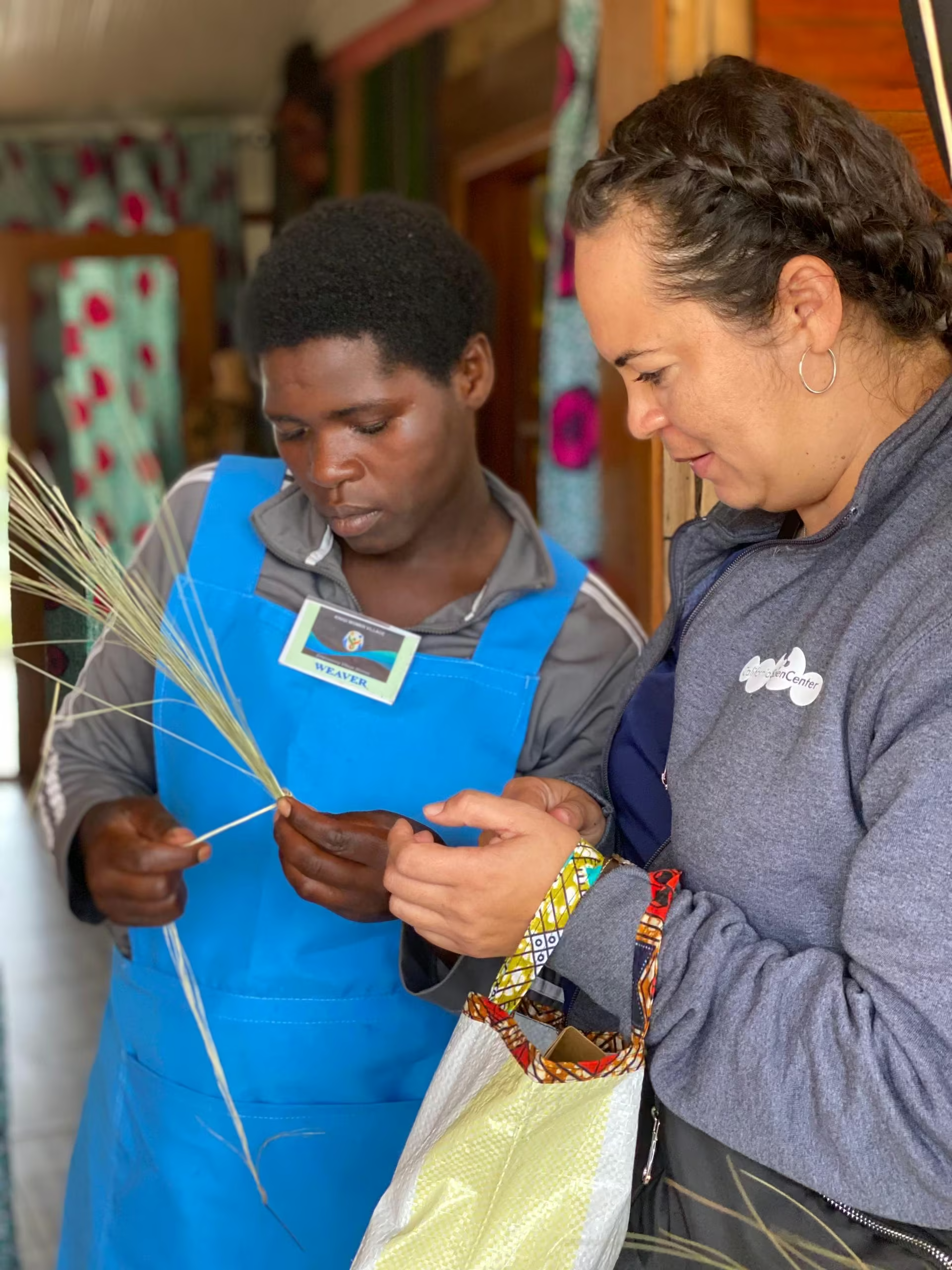
- Visitors Experience Traditional Handcrafts Passed Down for Generations
Rwanda is renowned for its artistry. Cultural tours introduce travelers to local crafts such as:
- Imigongo paintings
- Agaseke peace baskets
- Banana leaf art
- Pottery
- Beadwork
- Carvings
Travelers can take part in workshops, meet artisans, and purchase authentic souvenirs that support local economies.
- Understanding Rwanda Through Its Food and Traditional Cuisine
Food is one of the strongest cultural expressions. Cultural tours often include local cooking experiences where visitors learn to prepare traditional dishes like:
- Ibirayi (potatoes)
- Isombe (cassava leaves)
- Agatogo (plantain stew)
- Brochettes
- Local honey
- Traditional banana beer
Rwandan cuisine is simple, healthy, and deeply connected to farming and family traditions.
- Cultural Tours Promote Community Empowerment
Community-based tourism plays a crucial role in preserving Rwanda’s traditions. By participating in cultural tours, travelers help:
- Create jobs for local guides
- Support women’s cooperatives
- Preserve traditional dance and crafts
- Finance community infrastructure
- Reduce rural poverty
This approach ensures tourism benefits everyone, not just the tourism industry.
- They Help Travelers Understand Rwanda’s Journey of Reconciliation
Rwanda’s cultural tours often include storytelling sessions, community visits, and historical interactions that highlight:
- The importance of unity
- Post-genocide reconciliation efforts
- How culture strengthens social cohesion
- The role of traditional customs in healing communities
These experiences help travelers understand Rwanda’s remarkable transformation.
- Cultural Tours Connect Rwanda’s Past With Its Modern Present
Today, Rwanda is known for its development, safety, innovation, and cleanliness. Cultural tours allow visitors to see how ancient traditions and modern progress blend harmoniously.
You will encounter:
- Traditional homesteads next to modern villages
- Cultural festivals celebrated in urban areas
- Ancient dances performed for international guests
- Artisans using both traditional and modern techniques
This balance makes Rwanda one of Africa’s most culturally rich destinations.
Top Cultural Tour Experiences in Rwanda
There are several must-do cultural experiences that help tourists understand local traditions more deeply:
Iby’Iwacu Cultural Village (near Volcanoes National Park)
A vibrant community experience offering dancing, drumming, traditional medicine demonstrations, storytelling, and homestead visits.
Ethnographic Museum in Huye
One of Africa’s best cultural museums, displaying artifacts, traditional tools, clothing, and royal history.
King’s Palace Museum in Nyanza
Shows the lifestyle of ancient kings, including royal cattle known for their long horns.
Community Walking Tours
Visitors explore local villages, markets, farmlands, and schools.
Traditional Pottery and Handcraft Workshops
Perfect for travelers interested in hands-on cultural learning.
How Cultural Tourism Supports Conservation and Sustainable Travel
Cultural tours in Rwanda intertwine with conservation efforts. Many cultural tourism sites border national parks, and communities involved in tourism benefit financially from protecting wildlife. This encourages:
- Reduced poaching
- Protection of forest resources
- Environmental education
- Sustainable land use
Cultural tourism strengthens the relationship between communities and conservation programs.
Why Choose Rugo Miles Africa for Cultural Tours in Rwanda?
Rugo Miles Africa specializes in offering authentic, respectful, community-focused cultural experiences. Our cultural tours include:
- Expert local guides
- Visits to genuine community sites
- Cultural performances
- Traditional cuisine experiences
- Museum tours
- Village explorations
- Professional planning from Kigali
We ensure that every cultural tour directly benefits local communities and provides travelers with meaningful, responsible experiences.
Final Thoughts: Cultural Tours Are the Key to Understanding Rwanda’s Soul
Rwanda is a country shaped by its traditions, preserved through its people, and celebrated through its culture. Cultural tours offer travelers an intimate gateway into Rwanda’s everyday life, values, heritage, and resilience. These tours are essential for anyone who wants to truly understand Rwanda beyond the wildlife and landscapes.
From music and dance to cuisine, history, crafts, and community life, Rwanda’s culture is vibrant, welcoming, and deeply enriching. Cultural tours allow visitors to leave with not just memories but a deeper appreciation of a nation that honors its past while embracing its future.
Read Reviews

Follow us
- Write us a Review
- Rugo Miles Africa
- @rugomilesafrica
- +250 795 648 492
- +250 795 648 492
- info@rugomilesafrica.com
- sales@rugomilesafrica.com
- Kigali, Rwanda
We Accept