Hiking & Visiting
Dianne Fossey Tomb
home > Top Travel Activities > Visiting the Dianne Fossey Tomb
About
Visiting the Dianne Fossey Tomb
Visiting the Dian Fossey Tomb in Rwanda … Honoring the Legacy of Gorilla Conservation with Rugo Miles Africa
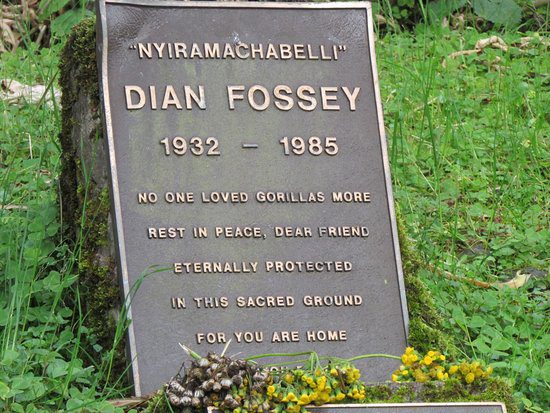
A visit to the Dian Fossey Tomb in Rwanda is a profound journey into the heart of mountain gorilla conservation history. Located within the lush slopes of Volcanoes National Park, the tomb is the final resting place of the legendary primatologist Dr. Dian Fossey, whose pioneering work transformed global understanding of gorillas and set the standard for wildlife conservation worldwide.
For travelers seeking a meaningful, reflective, and educational experience, the Dian Fossey Tomb offers a unique window into Rwanda’s conservation legacy. Rugo Miles Africa, based in Kigali, provides guided visits that combine historical insight, natural beauty, and respectful tribute to one of the world’s most influential wildlife protectors.
Where the Dian Fossey Tomb Is Located
The Dian Fossey Tomb is situated in the Karisimbi region of Volcanoes National Park, near the Karongi sector, deep within the rainforest where Fossey conducted decades of field research. The tomb is accessible via well-marked hiking trails that offer a scenic journey through the park’s highland forests.
Volcanoes National Park Overview
- Size: Approximately 160 km²
- Established: 1925, one of Africa’s oldest protected areas
- Location: Northwestern Rwanda, in Musanze District
- Features: Five major volcanoes (Karisimbi, Bisoke, Sabyinyo, Muhabura, and Gahinga), bamboo forests, montane vegetation, crater lakes, and abundant wildlife including mountain gorillas and golden monkeys
Visitors to the tomb can combine their experience with gorilla trekking, golden monkey tracking, or volcano hiking, making it an integral part of the Volcanoes National Park adventure.
History and Legacy of Dian Fossey
Dr. Dian Fossey, an American primatologist, arrived in Rwanda in 1967 with the mission to study mountain gorillas (Gorilla beringei beringei). Establishing the Karimsoke Research Center between Mount Karisimbi and Mount Bisoke, she:
- Conducted groundbreaking research on gorilla behavior and social structures
- Championed anti-poaching efforts and wildlife conservation
- Raised international awareness about the threats to mountain gorillas
- Advocated for sustainable tourism and community involvement
Fossey’s dedication came at great personal risk. She was tragically murdered in 1985 at the research center, but her legacy lives on through the Dian Fossey Tomb, conservation programs, and the thriving mountain gorilla population.
What to Expect When Visiting the Tomb
The tomb is a simple, respectful memorial set in the forested highlands. A visit offers:
- A peaceful hike through bamboo and montane forests
- Views of gorilla habitats where Fossey conducted her research
- Opportunity to reflect on conservation efforts and the risks Fossey faced
- Interpretive signs and guides providing historical context
- Proximity to the Karimsoke Research Center ruins, including old field stations
The hike to the tomb is typically moderate in difficulty, taking 2–3 hours round-trip depending on the chosen route. Along the way, visitors enjoy:
- Spectacular views of the Virunga volcanoes
- Encounters with bird species such as the Rwenzori turaco and other Albertine Rift endemics
- Occasional sightings of golden monkeys or forest duikers
Visiting the tomb is both a physically rewarding and emotionally meaningful experience.
Significance of Visiting the Dian Fossey Tomb
- A Tribute to Conservation
The tomb is a symbol of Fossey’s lifelong dedication to mountain gorillas and environmental protection. Visitors learn about her advocacy, anti-poaching campaigns, and pioneering research methods.
- Educational Experience
Guided tours provide insight into:
- Gorilla social structures
- Conservation challenges and successes in Rwanda
- Historical context of the Karimsoke Research Center
- Cultural and Ethical Tourism
Visiting the tomb supports Rwanda’s conservation model, encouraging responsible tourism that benefits local communities and wildlife preservation programs.
Tips for Visiting the Dian Fossey Tomb
- Best Time: Dry seasons (June–September and December–February) for easier trails
- Permits: A trekking permit or guided tour is required for park entry; Rugo Miles Africa handles all arrangements
- Clothing: Wear sturdy hiking shoes, long pants, and layered clothing for cool forest temperatures
- Guides: Always trek with experienced park rangers for safety and educational insight
- Photography: Allowed, but maintain respect and avoid disturbing wildlife or other visitors
Why Visit the Dian Fossey Tomb with Rugo Miles Africa?
As a trusted Kigali-based tour operator, Rugo Miles Africa ensures that every visit is safe, informative, and ethically conducted. Our services include:
- Experienced guides knowledgeable in Dian Fossey’s life and conservation work
- Tailored trekking itineraries combining gorilla trekking, golden monkey tracking, and volcano hikes
- Permit processing and park logistics for a smooth experience
- Comfortable transportation in 4×4 safari vehicles
- Cultural insight and educational context, making the visit meaningful
Visitors leave not only with unforgettable memories of Rwanda’s natural beauty but also a deep appreciation for the legacy of one of the world’s greatest wildlife conservationists.
Read Reviews

Follow us
- Write us a Review
- Rugo Miles Africa
- @rugomilesafrica
- +250 795 648 492
- +250 795 648 492
- info@rugomilesafrica.com
- sales@rugomilesafrica.com
- Kigali, Rwanda
We Accept