How Do
Gorilla Trekking Tours in Volcanoes National Park Support Conservation?
home > Wildlife Safaris Articles > Gorilla Trekking Tours in Volcanoes National Park Support Conservation?
How do
Gorilla Trekking Tours in Volcanoes National Park Support Conservation?
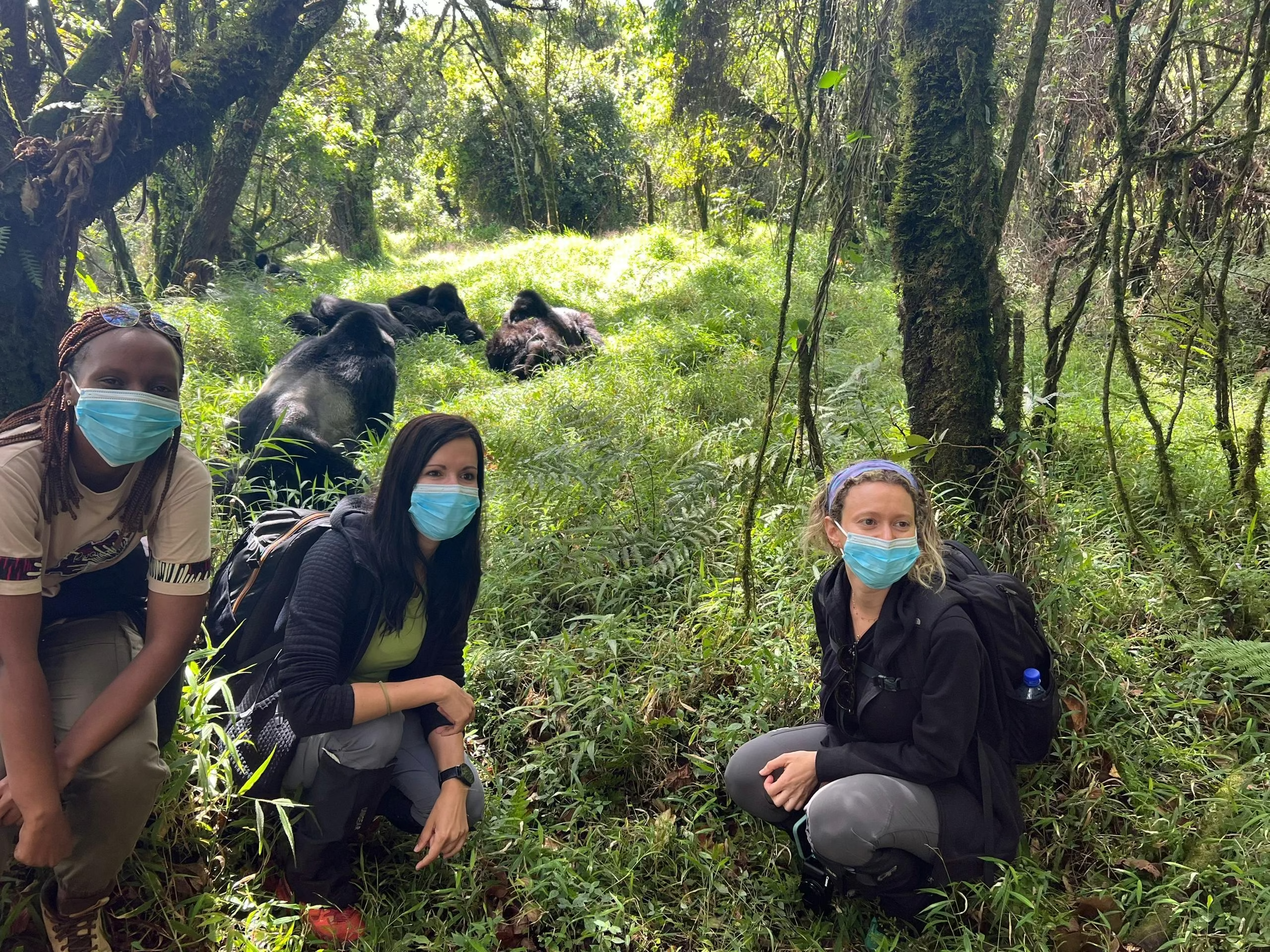
Volcanoes National Park is Rwanda’s most iconic travel destination, famous worldwide for its mountain gorillas, dramatic volcanic scenery, and extraordinary conservation legacy. Nestled in the Virunga Mountains in the northwestern part of Rwanda, this park is the heart of gorilla trekking in Africa. Each year, thousands of visitors travel to Rwanda for the rare and life-changing experience of meeting a family of mountain gorillas in their natural habitat.
But gorilla trekking is more than just an adventure. It is one of the most powerful conservation tools in Africa. Each trek directly contributes to the long-term protection of endangered mountain gorillas, the preservation of the Virunga ecosystem, and the development of local communities. In this detailed guide, we explore exactly how gorilla trekking tours in Volcanoes National Park support conservation, why the program is globally celebrated, and what travelers gain from this remarkable experience.
A Brief History of Volcanoes National Park and Mountain Gorilla Conservation
Volcanoes National Park is one of Africa’s oldest national parks, established in 1925 to protect the critically endangered mountain gorillas. Over the decades, the park has been shaped by intense conservation efforts, scientific research, community involvement, and international collaboration.
Key historical milestones include:
Creation of Africa’s First Gorilla Conservation Area (1925)
Volcanoes National Park was set up to protect gorillas from poaching, habitat loss, and human encroachment.
Dian Fossey’s Groundbreaking Research (1967–1985)
American primatologist Dian Fossey established the Karisoke Research Center between Mount Karisimbi and Mount Bisoke. Her work brought global attention to the plight of mountain gorillas and laid the scientific foundation for their protection.
Gorilla Population Recovery (1990s–Present)
Conservation programs, community partnerships, and tourism revenue helped stabilize and grow the gorilla population. Today, the Virunga Mountain gorilla population exceeds 1,000 individuals, classifying them as endangered rather than critically endangered.
Volcanoes National Park is now recognized as one of the world’s most successful conservation areas.
How Gorilla Trekking Directly Supports Conservation
Gorilla trekking is a carefully managed activity designed to balance tourism and protection. Every trek, permit, and visitor plays a critical role in safeguarding the species.
Below are the main ways gorilla trekking supports conservation in Rwanda.
- Gorilla Trekking Permits Generate Essential Conservation Revenue
A significant portion of the cost of a gorilla trekking permit goes directly toward wildlife protection. The funds support:
- Anti-poaching patrols
- Ranger salaries and training
- Monitoring of gorilla families
- Habitat restoration
- Veterinary interventions through Gorilla Doctors
- Park infrastructure and management
Permits ensure that conservation is financially sustainable, allowing Rwanda to maintain high protection standards.
- Community Revenue Sharing Reduces Human-Wildlife Conflict
Rwanda allocates 10 percent of gorilla tourism revenue to communities surrounding Volcanoes National Park. This community-based approach creates a strong incentive for local people to protect gorillas and their habitat.
The funds are used to build:
- Schools
- Health centers
- Roads
- Water projects
- Community-owned lodges
When communities benefit from conservation, they become active partners in protecting gorillas instead of threats to their survival.
- Gorilla Tourism Creates Local Employment Opportunities
Conservation is more successful when local communities are economically involved. Gorilla tourism provides jobs such as:
- Park rangers
- Trekking porters
- Guides and trackers
- Lodge staff
- Handcraft sellers
- Transportation providers
Tourism lifts entire communities out of poverty, reducing reliance on forest resources and lowering the risks of poaching or illegal logging.
- Tourism Encourages Strict Protection and Monitoring of Gorilla Families
Every gorilla group in Volcanoes National Park is monitored daily by expert trackers. Their work includes:
- Tracking gorilla movements
- Observing health signs
- Identifying threats
- Recording behavioral patterns
- Ensuring minimal human-gorilla contact
This continual monitoring allows quick interventions whenever a gorilla is injured, sick, or at risk.
- Funding Veterinary Care Through Gorilla Doctors
Gorilla Doctors is an internationally recognized veterinary team dedicated to the health of mountain gorillas. They provide medical care for:
- Injuries from snares
- Respiratory infections
- Parasitic illnesses
- Infant gorilla rescues
- Gorilla births and health emergencies
Tourism revenue ensures this world-class medical program continues to operate effectively.
- Sustainable Trekking Rules Protect Gorillas From Disease and Stress
Mountain gorillas share 98 percent of their DNA with humans, making them extremely vulnerable to human diseases. To protect the gorillas, strict trekking rules are enforced:
- Maximum of eight visitors per gorilla family per day
- One hour of interaction with gorillas
- Mandatory face masks
- Minimum distance of seven meters
- No trekking when sick
- No littering or loud noise
These regulations preserve gorilla health and prevent behavioral disruption.
- Gorilla Trekking Helps Preserve the Entire Virunga Ecosystem
Conservation efforts do not protect only gorillas. The entire ecosystem benefits, including:
- Golden monkeys
- Forest elephants
- Buffaloes
- Various primates
- Rare orchids
- Over 200 bird species
- Highland forest habitats
Maintaining the integrity of the ecosystem ensures long-term biodiversity survival.
Why Volcanoes National Park Offers a Unique Trekking Experience
Beyond conservation, Volcanoes National Park is a spectacular travel destination rich in natural beauty and cultural heritage.
Dramatic Volcanic Landscapes
The park is home to five of the eight Virunga volcanoes: Karisimbi, Bisoke, Muhabura, Sabyinyo, and Gahinga.
Gorilla Families With Distinct Personalities
Each gorilla group has a unique structure, dominant silverback, and behavior patterns that create unforgettable trekking experiences.
Rare Wildlife Encounters
Visitors may also see golden monkeys, forest buffaloes, bushbucks, and a wide variety of birds.
Cultural Experiences
Nearby communities offer traditional dance, basket weaving, cuisine, and village tours that enrich the trekking experience.
How Travelers Contribute to Gorilla Conservation Through Rugo Miles Africa
When you book a gorilla trekking tour with Rugo Miles Africa, your visit directly supports conservation. Rugo Miles Africa works closely with Rwanda Development Board guidelines to ensure:
- Responsible trekking practices
- Fair employment of local porters
- Support for community tourism
- Ethical wildlife interaction
- Sustainable travel in the Virunga region
Our expert guides help travelers understand the value of gorilla conservation and how meaningful their trek truly is.
Final Thoughts: Gorilla Trekking Is a Conservation Success Story
Volcanoes National Park is a global symbol of hope for endangered species. Gorilla trekking tours have transformed mountain gorilla conservation from the brink of extinction into one of the greatest wildlife recoveries of the century. Through tourism revenue, community involvement, scientific research, and responsible travel, Rwanda has proven that conservation and tourism can thrive together.
Every visitor who treks in Volcanoes National Park becomes part of this success story, helping ensure that future generations will continue to encounter mountain gorillas in their natural home.
Read Reviews

Follow us
- Write us a Review
- Rugo Miles Africa
- @rugomilesafrica
- +250 795 648 492
- +250 795 648 492
- info@rugomilesafrica.com
- sales@rugomilesafrica.com
- Kigali, Rwanda
We Accept