How
Can a Visit to Kigali’s Markets and Museums Deepen Your Knowledge of Rwanda?
home > Cultural Tours Articles > How Can a Visit to Kigali’s Markets and Museums Deepen Your Knowledge of Rwanda?
How
Can a Visit to Kigali’s Markets and Museums Deepen Your Knowledge of Rwanda?
Kigali, the clean and vibrant capital of Rwanda, is more than just the country’s administrative and economic center it is a cultural hub where history, tradition, art, and modern-day life blend seamlessly. For any traveler exploring Rwanda, a visit to Kigali’s local markets and museums offers an unmatched opportunity to understand the heart and soul of the nation. These experiences go far beyond sightseeing; they reveal the resilience, creativity, and cultural identity of the Rwandan people. From colorful craft markets to powerful historical memorials, Kigali provides immersive encounters that enrich your appreciation of Rwanda’s past, present, and future.
This article explains how Kigali’s markets and museums deepen your knowledge of Rwanda, why they are essential stops during your journey, and what unique experiences you can expect from each site. It is fully optimized for SEO using relevant keywords such as Kigali markets, Kigali museums, Rwanda cultural tours, Kigali Genocide Memorial, Caplaki Craft Village, and more.
- Kigali: A Gateway to Rwanda’s Cultural Identity
Kigali has rapidly grown into one of Africa’s most progressive and orderly capitals, but its greatest treasure lies in its cultural richness. The city’s markets and museums provide travelers with direct access to Rwanda’s cultural expressions from traditional arts and crafts to historical narratives that shaped the country’s identity. Whether you are a first-time visitor or a returning traveler, Kigali offers insights into Rwanda’s journey of unity, development, and cultural preservation.
Exploring these cultural spaces helps visitors understand how Rwanda transformed into one of the region’s most stable and innovative nations. Each market stall or museum exhibition tells a story, making Kigali the perfect starting point for deeper exploration before venturing into national parks, historical sites, and rural communities.
- Kigali’s Museums: Windows Into Rwanda’s Past and Present
Kigali Genocide Memorial
The Kigali Genocide Memorial is the country’s most significant historical site. It provides a detailed and emotional account of the 1994 Genocide against the Tutsi, honoring over one million victims. Through photographs, artifacts, survivor testimonies, and educational exhibits, the memorial allows visitors to understand Rwanda’s resilience and the power of unity and reconciliation. A visit here deepens your understanding of modern Rwanda and its remarkable recovery journey.
National Museum of Rwanda (Ethnographic Museum)
Located in Huye but often explored as part of Kigali-based tours, the Ethnographic Museum houses one of Africa’s finest ethnographic collections. Its displays showcase traditional tools, musical instruments, agricultural systems, pottery, weaving, and royal artifacts that illustrate Rwanda’s rich pre-colonial heritage and way of life.
Kandt House Museum of Natural History
Situated near Kigali’s old town, the Kandt House Museum is dedicated to Rwanda’s natural history. It highlights the country’s biodiversity, geology, and ecological zones. Visitors learn about Rwanda’s unique wildlife, including mountain gorillas, golden monkeys, and rare bird species found in Volcanoes, Nyungwe, and Akagera National Parks.
Rwanda Art Museum
Housed in the former presidential residence, the Rwanda Art Museum is an essential stop for art lovers. It showcases contemporary Rwandan and African art, encouraging dialogue about creativity, healing, and innovation. The museum represents the modern expression of Rwanda’s culture and evolving artistic identity.
Campaign Against Genocide Museum
Located inside the Parliament Building, this museum highlights the Rwanda Patriotic Army’s efforts to stop the genocide. It provides deeper knowledge on political history, leadership, and the nation’s path toward security and unity.
- Kigali’s Markets: Lively Spaces That Celebrate Local Life
Kimironko Market
Kigali’s largest and most vibrant marketplace, Kimironko Market, is the perfect place to witness everyday Rwandan life. Visitors can interact with local vendors, sample fresh tropical fruits, buy traditional clothing made from colorful African fabrics, and observe the craft-making process. This market offers a sensory experience aromas, colors, and sounds that reflect the rhythm of Kigali’s culture.
Caplaki Craft Village
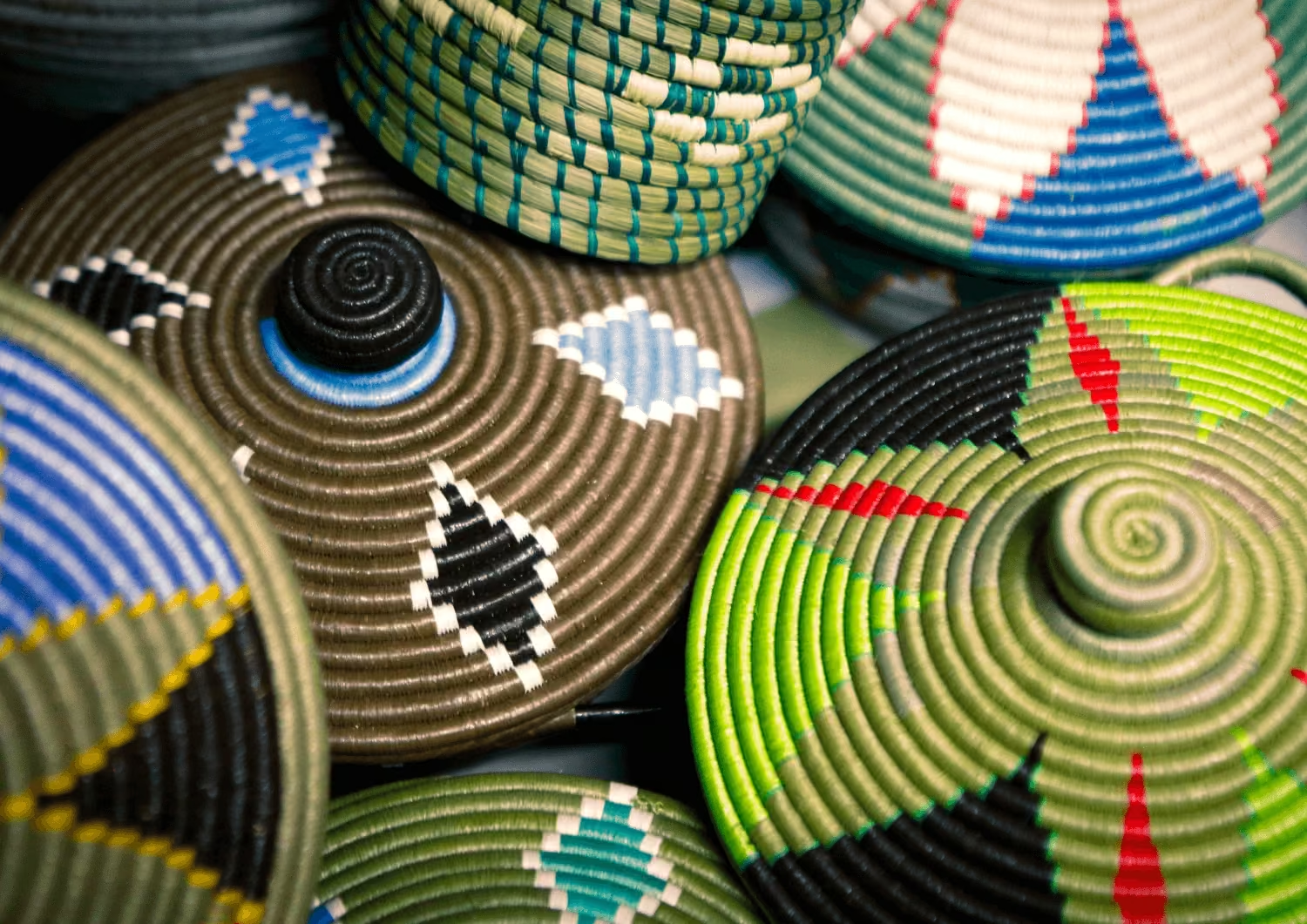
If you want to purchase high-quality Rwandan crafts, Caplaki Craft Village is a must-visit. The village features stalls filled with handmade baskets, traditional masks, jewelry, woven home décor, and wooden sculptures. These items are created by skilled artisans, often using techniques passed down through generations. By shopping here, travelers support local families and sustainable tourism initiatives.
Nyamirambo Women’s Center Craft Shop
Located in Kigali’s most culturally diverse neighborhood, this women-led cooperative offers handcrafted products that tell stories of empowerment and community resilience. From traditional agaseke baskets to fashionable accessories, purchases here directly support women’s development programs.
Kigali Farmers’ Markets & Organic Pop-Ups
Kigali also hosts weekend farmers’ markets where visitors can taste locally grown produce, coffee, honey, and spices. These markets help visitors appreciate Rwanda’s agricultural heritage and sustainability practices.
- How Visiting Markets and Museums Deepens Your Knowledge of Rwanda
Understanding Rwanda’s History and Transformation
Museums explain how Rwanda has evolved over centuries from ancient kingdoms and colonial times to the tragic 1994 genocide and today’s peaceful, progressive nation.
Experiencing Rwanda’s Cultural Diversity
Markets and cultural centers introduce visitors to traditional crafts, local cuisines, languages, and artistic practices that define the country’s identity.
Connecting With Local People
Interacting with artisans, shopkeepers, guides, and museum educators gives travelers authentic insights into daily life, beliefs, and community values.
Supporting Sustainable Tourism
Purchasing local crafts and visiting community-run cultural sites supports local livelihoods and contributes to conservation and heritage preservation.
Building a Holistic Understanding of the Country
By blending history, art, lifestyle, and community interaction, Kigali offers travelers a complete cultural immersion that goes beyond wildlife safaris.
- Why Kigali Should Be Your Cultural Starting Point
Kigali makes it easy for travelers to dive into Rwanda’s culture because it is centrally located, safe, walkable, and filled with knowledgeable local guides. For visitors planning to explore Volcanoes National Park, Akagera National Park, or Nyungwe National Park, Kigali provides essential historical and cultural context before the adventure continues.
Conclusion
A visit to Kigali’s markets and museums is one of the most enriching experiences anyone can have in Rwanda. These places reveal the country’s deep cultural roots, artistic creativity, and transformative history. They allow travelers to understand Rwanda beyond its landscapes and wildlife, showcasing a nation built on unity, resilience, and cultural pride. Whether you are shopping for handmade crafts, learning about Rwanda’s tragic past, or exploring local art, Kigali’s cultural sites offer meaningful experiences that stay with you long after your journey ends.
Read Reviews

Follow us
- Write us a Review
- Rugo Miles Africa
- @rugomilesafrica
- +250 795 648 492
- +250 795 648 492
- info@rugomilesafrica.com
- sales@rugomilesafrica.com
- Kigali, Rwanda
We Accept