Conservation In Rwanda
home > Conservation In Rwanda
About
Conservation In Rwanda
Conservation in Rwanda … Protecting Wildlife and Nature with Rugo Miles Africa
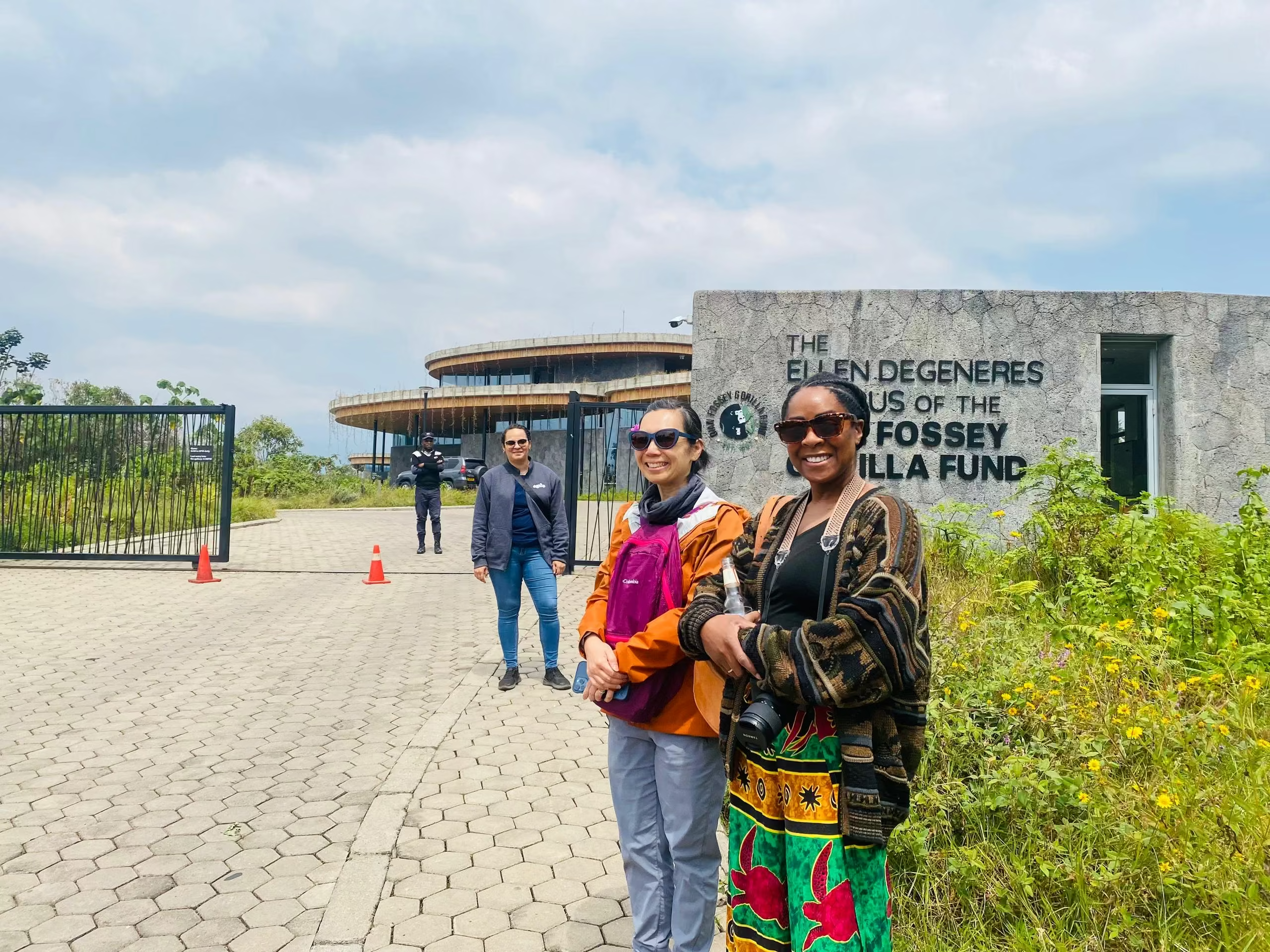
Rwanda, known as the “Land of a Thousand Hills,” is a shining example of how a small country can lead the way in wildlife conservation and sustainable tourism. Over the past several decades, Rwanda has transformed itself into one of Africa’s most successful models for environmental protection, wildlife preservation, and community-centered conservation. From saving the endangered mountain gorillas in Volcanoes National Park to protecting savannah species in Akagera National Park, conservation is at the heart of every safari experience in Rwanda. At Rugo Miles Africa, we are proud to support these initiatives and provide tourists with the opportunity to engage in responsible, ethical, and unforgettable wildlife adventures.
A Brief History of Conservation in Rwanda
Rwanda’s conservation journey began in the early 20th century with the creation of the first protected areas during Belgian colonial rule. These early efforts laid the foundation for modern national parks and wildlife protection policies. However, conservation faced significant challenges, especially during the political instability of the late 20th century. Many parks were neglected, wildlife populations declined, and habitats were threatened by human activity.
After the 1994 genocide, Rwanda recommitted itself to rebuilding its natural heritage. The government, along with local and international partners, invested heavily in restoring national parks, protecting endangered species, and developing sustainable tourism. Today, Rwanda’s conservation efforts are recognized globally, with programs that balance ecological protection, tourism, and community development.
Rwanda’s National Parks and Conservation Efforts
Volcanoes National Park
Volcanoes National Park, in northwest Rwanda, is renowned for its mountain gorilla population. Once critically endangered, mountain gorillas are now slowly increasing in numbers thanks to strict anti-poaching measures, habitat protection, and controlled tourism. Gorilla trekking permits, managed carefully to prevent over-visitation, provide essential funding for ongoing conservation programs. Visitors to Volcanoes National Park contribute directly to the protection of these incredible primates.
Akagera National Park
Akagera National Park in eastern Rwanda showcases the success of combining conservation with reintroduction programs. In the 1990s, poaching had drastically reduced populations of key species, including lions and rhinos. Through reintroduction efforts and enhanced anti-poaching strategies, Akagera now hosts elephants, lions, buffaloes, zebras, giraffes, and more. Sustainable eco-tourism, including game drives and guided safaris, supports both wildlife and local communities.
Nyungwe Forest National Park
Nyungwe Forest, one of Africa’s oldest rainforests, is a biodiversity hotspot. It houses over 13 primate species, including chimpanzees and colobus monkeys, as well as more than 300 bird species. Conservation programs here focus on forest preservation, reforestation, and wildlife monitoring. The canopy walkway, a tourist attraction, is also a tool for education and awareness, allowing visitors to experience the forest without disturbing its delicate ecosystem.
Community-Based Conservation
Rwanda’s conservation success is not only about protecting animals and forests; it is also about supporting local communities. Many conservation programs incorporate community involvement, providing jobs in tourism, park management, and research. Revenue from gorilla trekking and safaris is often reinvested in local infrastructure, education, and health services. This approach ensures that communities see tangible benefits from conservation, creating long-term incentives to protect natural resources.
Responsible Tourism and Ethical Travel
Tourism plays a critical role in Rwanda’s conservation efforts. By visiting national parks and participating in guided safaris with reputable operators like Rugo Miles Africa, tourists directly support wildlife protection and habitat preservation. Responsible tourism practices include:
- Maintaining safe distances from wildlife during treks and game drives
- Following park regulations and guide instructions
- Minimizing waste and using eco-friendly products
- Supporting local artisans and community projects
Every safari with Rugo Miles Africa is designed to be environmentally responsible, ensuring that visitors leave a positive impact while enjoying the beauty and wildlife of Rwanda.
Why Conservation Matters for Rwanda’s Wildlife and Tourism
Conservation in Rwanda ensures the survival of iconic species such as mountain gorillas, chimpanzees, elephants, and rhinos, while preserving unique habitats like volcanic forests, savannahs, and wetlands. These efforts not only protect biodiversity but also sustain tourism, which is a vital part of Rwanda’s economy. By visiting Rwanda responsibly, tourists contribute to a cycle of preservation, education, and sustainable development.
Rugo Miles Africa provides educational insights during every safari, helping visitors understand the ecological and cultural importance of the regions they explore. From gorilla trekking in Volcanoes National Park to bird watching in Akagera and chimpanzee tracking in Nyungwe, each experience is a celebration of Rwanda’s conservation achievements.
Therefore Rwanda stands as a global example of how dedication, sustainable practices, and community involvement can protect wildlife and natural habitats while promoting tourism. Conservation is at the core of Rwanda’s identity, offering visitors a unique opportunity to witness endangered species, explore pristine landscapes, and engage with local culture.
Choosing to travel with Rugo Miles Africa ensures that your safari adventure supports these vital conservation efforts. By participating in responsible tourism, you contribute to protecting Rwanda’s natural treasures for future generations, making your journey not only unforgettable but also meaningful.
Read Reviews

Follow us
- Write us a Review
- Rugo Miles Africa
- @rugomilesafrica
- +250 795 648 492
- +250 795 648 492
- info@rugomilesafrica.com
- sales@rugomilesafrica.com
- Kigali, Rwanda
We Accept