Visiting
The Iby’iwacu Cultural Village
Home Visiting The Iby’iwacu Cultural Village
About
Visiting The Iby’iwacu Cultural Village
An Authentic Cultural Experience with Rugo Miles Africa
Visiting the Iby’iwacu Cultural Village also known today as the Gorilla Guardians Village is one of the most enriching and meaningful cultural experiences in Rwanda. Located just outside Volcanoes National Park in the Musanze district, this community-based initiative allows travelers to explore the traditional lifestyles, heritage, dances, crafts, and stories of the Rwandan people.
For visitors seeking a deeper understanding of Rwanda beyond wildlife and mountain gorillas, Iby’iwacu offers an immersive cultural journey that connects you to the country’s past, present, and resilient future.
As a Kigali-based travel company, Rugo Miles Africa proudly includes this experience in many of our Rwanda itineraries due to its authenticity, ethical community model, and powerful cultural storytelling.
Where the Iby’iwacu Cultural Village Is Located
Iby’iwacu Cultural Village is situated in Kinigi, a charming community bordering Volcanoes National Park in northwestern Rwanda. Although not a “park,” its location places it within the greater Virunga conservation landscape famous for its volcanoes, mountain gorillas, golden monkeys, and lush high-altitude forests.
Key Features of the Area:
- Elevation ranges between 2,200m–2,600m
- Cool mountain climate with scenic views
- Close proximity to volcanoes such as Sabyinyo, Bisoke, and Karisimbi
- Situated about 15 minutes from Volcanoes National Park Headquarters
- Surrounded by terraced farms, bamboo forests, and rural villages
The natural beauty of this region enhances the cultural experience, offering visitors a serene environment for learning and interaction.
History of the Iby’iwacu Cultural Village
The Iby’iwacu Cultural Village began as a community transformation project. Many of the early members were individuals who previously relied on forest activities, including hunting or gathering, before conservation laws were strengthened.
To promote both wildlife conservation and community development, the initiative was created to:
- Provide alternative livelihoods outside the park
- Preserve traditional Rwandan culture
- Create income through cultural tourism
- Reduce human pressure on gorilla habitats
- Educate visitors about Rwanda’s history and customs
Over time, the project grew into a world-renowned cultural institution. Today, the village operates as the Gorilla Guardians Village, empowering local communities through tourism revenue, employment, education, and cultural preservation.
What You Will Experience at Iby’iwacu Cultural Village
A visit to the Iby’iwacu Cultural Village is immersive, interactive, and deeply educational. Travelers have the opportunity to participate in various traditional activities that showcase Rwanda’s rich heritage.
- Traditional Dance and Drumming
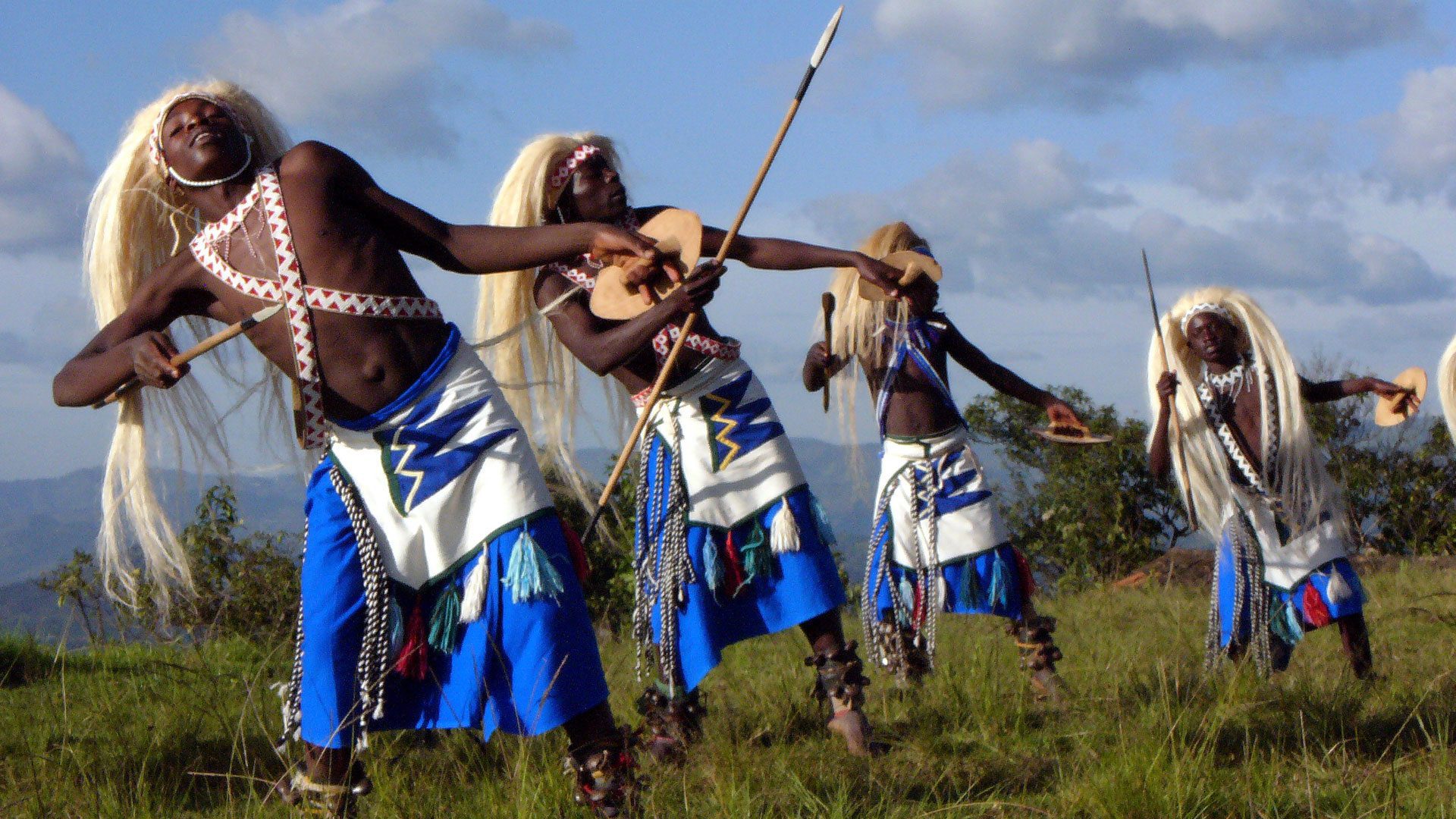
Guests are welcomed with powerful Intore traditional dances, performed by men and women adorned in vibrant attire. The drums, warrior chants, and celebratory rhythms introduce visitors to Rwanda’s artistic identity.
- Royal Palace Reconstruction
You can explore a reconstructed traditional Rwandan king’s palace, where guides explain:
- Pre-colonial leadership structures
- Royal rituals
- Traditional governance and community hierarchy
This gives visitors a glimpse into Rwanda’s ancient monarchical history.
- Traditional Healing and Herbal Medicine
Local healers (known as Inyanga) demonstrate the use of ancient herbal remedies and natural plants used for healing. This is a fascinating introduction to Rwanda’s indigenous knowledge system.
- Craftsmanship and Local Art
Visitors can learn or observe how artisans create:
- Handmade baskets
- Beaded jewelry
- Wooden sculptures
- Traditional musical instruments
- Household tools
You can also participate in crafting sessions.
- Food Preparation and Local Cuisine
Guests are shown how traditional Rwandan food was prepared, including:
- Millet grinding
- Banana beer brewing
- Open-fire cooking
- Local bread recipes
Sampling local drinks or dishes is often part of the experience.
- Meeting Former Batwa Communities
The Batwa Rwanda’s ancient forest-dwelling people share cultural performances, pottery skills, hunting-style demonstrations, and traditional dances passed down for generations. This gives visitors a rare opportunity to learn about one of Africa’s oldest indigenous groups.
- Storytelling Sessions
Community elders narrate:
- Ancient folklore
- Cultural values
- Marriage traditions
- Family customs
- Rites of passage
These narratives help travelers understand Rwanda’s unique cultural identity.
- Spear Throwing and Traditional Games
Visitors can try activities such as spear throwing, bow shooting, or traditional wrestling demonstrations.
Why the Iby’iwacu Cultural Village Is Special
Authenticity and Community Empowerment
The experience is led entirely by community members whose livelihoods depend directly on the tourism generated. This ensures:
- Authentic cultural representation
- Positive social impact
- Economic benefits for local families
Perfect Complement to Gorilla Trekking
Because it is located near Volcanoes National Park, visitors often combine:
- Gorilla trekking
- Golden monkey tracking
- Volcano hiking
- Iby’iwacu cultural experience
This combination balances wildlife with cultural insight.
A Deep Look Into Rwanda’s Living Heritage
Unlike museums, the village offers living, dynamic experiences where travelers participate directly in activities not just watch from a distance.
Best Time to Visit the Iby’iwacu Cultural Village
The cultural village is open throughout the year. However, visiting is most pleasant during:
Dry Seasons
- June to September
- December to February
These months offer comfortable temperatures and better visibility for outdoor interactions.
Rainy Seasons
- March to May
- October to November
The area remains accessible, and cultural activities continue normally even when the surrounding region is green and vibrant.
How Long Does the Cultural Experience Take?
A typical visit lasts 2–3 hours, but extended cultural immersions can be arranged upon request.
Rugo Miles Africa offers private or group tours depending on guest preferences.
Why Visit the Cultural Village with Rugo Miles Africa?
Choosing Rugo Miles Africa ensures you have:
- Professional guides fluent in English, Kinyarwanda, and French
- Private transportation in comfortable 4×4 vehicles
- Flexible scheduling based on your itinerary
- Opportunities to combine cultural visits with other Rwanda tours
- Personalized experiences tailored to your interests
- Ethical tourism practices that support local communities
Our goal is to ensure travelers leave with a genuine appreciation of Rwanda’s heritage.

Read Reviews

Follow us
- Write us a Review
- Rugo Miles Africa
- @rugomilesafrica
- +250 795 648 492
- +250 795 648 492
- info@rugomilesafrica.com
- sales@rugomilesafrica.com
- Kigali, Rwanda
We Accept